Frequent Deck Maintenance Issues: How to Identify and Fix Issues Before They Escalate
Maintaining a deck is crucial for both safety and long-term durability. Homeowners often overlook early signs of damage, such as cracks and loose boards. Such problems can worsen rapidly when left unattended. Routine check-ups are effective in identifying moisture issues and pest infestations before they become severe. Knowing how to address typical repairs can be a valuable way to conserve both time and money. The question remains: what specific steps should one take to guarantee a deck remains in prime condition?
How to Spot Common Deck Damage Indicators
What are the signs that a deck needs attention? Homeowners need to be aware of several telltale signs that their deck may need repair. To begin with, noticeable cracks or splits in the wood may undermine the deck's structural integrity and result in additional damage. Furthermore, water damage indicators such as discoloration or mold growth suggest the presence of excess moisture, which can degrade the materials. Third, loose or protruding nails may pose a safety hazard and require prompt repair. Additionally, if the deck feels spongy or bouncy underfoot, it may signal underlying rot or decay. Regularly inspecting the railing for stability is also essential, as a loose railing can lead to accidents. To conclude, visible peeling or worn finishes can be a sign that re-sealing or staining is necessary to shield the deck from the elements. Dealing with these issues at an early stage can save homeowners from more extensive and costly repair work later on.
The Value of Consistent Deck Cleaning and Maintenance
Regular deck cleaning and maintenance play a crucial part in maintaining the integrity and look of exterior living spaces. As time passes, debris, dirt, mold, and mildew can build up, resulting in potential rot and decay. Routine cleaning not only enhances the visual appeal but also prevents long-term damage. Homeowners are encouraged to sweep and wash their decks on a regular basis, clearing away leaves and other organic debris that can retain moisture.
Furthermore, utilizing a protective finish can defend the wood from weather conditions, extending its lifespan. Checks carried out during cleaning allow for quick identification of signs of wear, such as marks or fading, which can reveal hidden issues. Preserving a clean deck creates a safer outdoor space, decreasing the potential for slips and falls. Consistent maintenance ultimately reduces costs for homeowners by decreasing the demand for costly restorations, confirming that outdoor spaces remain appealing and practical for many years to come.
Deck Board Repairs: Fixing Loose and Unstable Boards
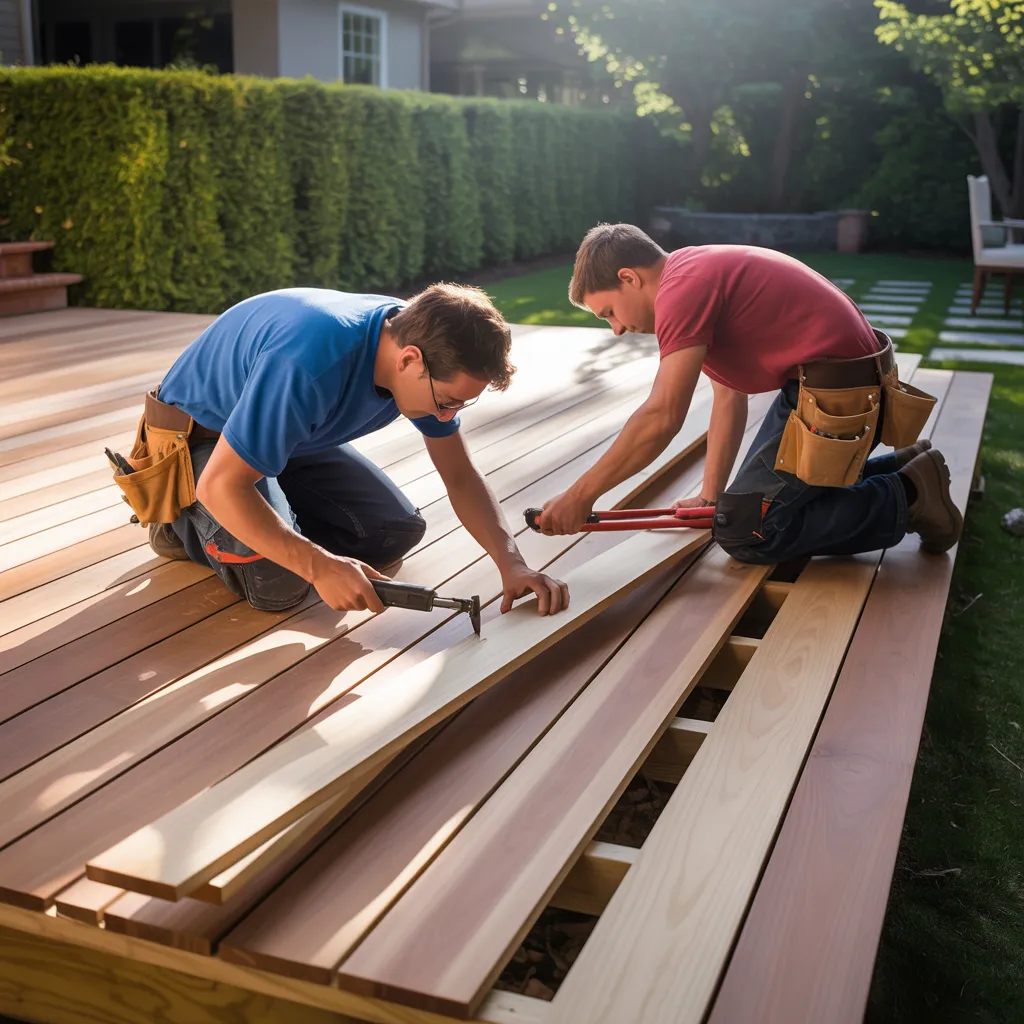
Loose or unsteady boards can threaten both the safety and visual appeal of a deck, making timely repairs necessary. Homeowners need to begin by determining the source of the problem, which frequently results from loose fasteners or wood deterioration. Tightening screws or replacing nails can resolve minor issues, though if the boards are extensively compromised, installing new boards may be the best solution.
To address a loose board, the first step is to remove it, examine it for signs of rot, and replace any compromised parts. Upon reinstalling, utilizing proper fasteners and making sure they are inserted at the proper angle can enhance stability. For wobbly boards, placing blocking or reinforcement under the problem area can deliver added structural support. Routine checks can stop these issues from worsening, ensuring a safe and enjoyable outdoor space. Following these measures not only upholds the deck's structural stability but also elevates its visual appeal.
Fixing Cracked or Splintered Deck Wood
Addressing split or deteriorating deck wood demands a thorough assessment of the damage to secure proper remediation. Learning about the different methods and materials at your disposal can substantially extend the durability and structural integrity of the deck. Addressing these issues promptly not only enhances the visual appeal but also prevents further deterioration.
Recognizing Cracks and Splinters
A thorough assessment of a deck commonly exposes numerous fractures and splinters that can compromise both its visual appeal and structural soundness. These imperfections can result from natural wear and tear, moisture exposure, or inadequate maintenance. Cracks may vary in size, ranging from hairline fractures to larger splits, while splinters often extend from the wood surface and can create safety concerns. Early identification of these issues is crucial; property owners should routinely inspect railings, deck boards, and steps for any indications of damage. Apparent splinters and cracks should be recorded, as they may indicate deeper underlying problems. Resolving these problems in a timely manner can avoid additional damage and guarantee the deck remains safe and visually appealing for many years ahead.
Restoration Techniques and Materials
To fix cracked or deteriorating deck wood, homeowners must use proper repair methods and suitable materials. To begin, cleaning the affected area is essential; dust and debris must be cleared away to ensure proper adhesion. For minor cracks, wood filler or epoxy may be used, carefully smoothed to match the surface. Once dried, sanding the area creates a seamless finish. For greater structural damage, it may be necessary to replace individual boards. Homeowners should choose pressure-treated lumber or composite materials for durability. Following the repairs, sealing the wood with a weather-resistant stain or sealant will protect against moisture and UV damage, extending the deck's lifespan. Regular maintenance can prevent future issues and maintain the deck's appearance.
Dealing With Worn or Compromised Hardware
In the process of deck repairs, identifying rusty fasteners is critical for preserving structural integrity. Deteriorated hardware can undermine safety and visual appeal, making timely replacement indispensable. Resolving these concerns without delay guarantees the longevity of the deck and prevents further deterioration.
Detecting Rusty Fasteners
What is the best way to spot rusty fasteners during a deck repair assessment? The presence of rust is often a clear indicator of compromised fasteners. A visual inspection should be conducted, focusing on screws, bolts, and nails. The signs of rust include reddish-brown discoloration that is often flaky or powdery in nature. Moreover, checking the fasteners for structural stability is critical; visible signs of bending or deterioration indicate additional concerns. A simple test involves attempting to tighten the fastener; if it turns without resistance, it may be stripped or damaged. External conditions, including prolonged moisture exposure, can speed up the formation of rust, making regular inspections necessary. Early detection of rusty fasteners can help avoid more severe deterioration of the deck structure.
Repairing and Replacing Damaged Hardware
Replacing damaged hardware is essential for maintaining the integrity of a deck. Deteriorating or broken fasteners can weaken structural stability, resulting in serious safety concerns. Inspecting fasteners regularly helps identify issues early, preventing costly repairs. When installing new hardware, it is essential to select corrosion-resistant options, such as stainless steel or galvanized fasteners, to ensure durability. Taking out deteriorated fasteners might call for a power tool or a hammer, depending on how deeply embedded they are. Once the damaged fasteners are removed, new ones should be installed according to the manufacturer's specifications. Proper spacing and alignment are critical for effective load distribution. By resolving hardware issues in a timely manner, homeowners can extend the lifespan of their decks and improve overall safety.
Protecting Your Deck from Moisture Damage
Moisture infiltration can silently undermine the overall condition of a deck, resulting in costly repairs and dangerous conditions. To prevent this issue, consistent care is required. Property owners should establish effective drainage near the deck structure, channeling water away from the deck. In addition, sealing the wood with a high-quality water-repellent finish can create a barrier against moisture intrusion.
Periodic inspections for indicators of wear, such as splits or cracks, enable early intervention. It is also essential to keep gutters and downspouts clear, as clogged systems can lead to water collecting near the deck. Furthermore, installing a breathable, moisture-resistant membrane can effectively protect the underside of the deck from humidity. In addition, keeping vegetation and soil from touching the deck surface will reduce moisture buildup. By following these practices, deck owners can substantially lower the risk of moisture damage and extend the lifespan of their outdoor spaces.
Keeping Pests Away From Your Deck
Safeguarding a deck from insects and pests is essential for sustaining its long-term beauty and strength. Pests such as carpenter ants, termites, and wood-boring beetles can cause severe damage if not addressed promptly. Regular inspections are important; homeowners should examine for signs of infestation, such as small holes or sawdust near the wood. Employing preventive measures can greatly reduce risks. Keeping the deck clear of debris and ensuring proper drainage helps deter pest activity. Furthermore, incorporating pest-resistant materials during building can offer enduring protection. Applying a sealant or stain can also create a barrier against moisture and pests. Regular upkeep, such as cleaning and resealing, is essential for protecting the deck. Homeowners should consider integrating natural deterrents, like diatomaceous earth or essential oils, which can successfully deter pests while remaining environmentally friendly. By proactively addressing these concerns, homeowners can maintain their decks and elevate their outdoor living environments.
Recognizing When to Contact a Pro for Deck Repairs
Identifying the indicators of pest damage is crucial for preserving a deck, but tackling more serious problems frequently necessitates the help of a professional. Homeowners need to stay watchful for structural concerns, such as significant cracks, bowing, or extensive rot, that pose safety risks. When the soundness of the support beams or joists is doubtful, reaching out to a qualified expert is the best course of action.
In addition, when extensive repairs exceed basic maintenance skills, such as replacing large sections of wood or addressing foundational issues, professional assistance can ensure correct methods and materials are applied. Skilled technicians can also recognize underlying concerns that may not be immediately obvious, such as water damage or pest infestations.
When all is said and done, if a repair seems too difficult or surpasses personal expertise, contacting a qualified contractor can prevent ongoing damage and extend the deck's longevity. Acting on this decision promptly can help conserve time, reduce costs, and avoid possible safety risks.
Commonly Asked Questions
How Regular Should My Deck Damage Inspections Be?
Decks need to be assessed a minimum of two times annually, ideally in spring and fall. Routine inspections can detect possible additional info issues before they worsen, enabling prompt repairs and keeping the deck safe and operational.
What Tools Do You Need for DIY Deck Repairs?
The must-have tools for DIY deck repairs include power tools and hand tools such as a drill, saw, hammer, measuring tape, level, pry bar, and safety equipment. With these tools, you can efficiently assess, remove, and replace deteriorated components, resulting in a safe and durable deck.
Should I Use Regular Paint on My Deck?
Applying standard paint to a deck is not recommended; it tends to seal in moisture and result in damage. Specialized deck stains and paints are engineered to handle outdoor environments, ensuring longevity and protection for the wood.
How Can I Select the Best Deck Material for Repairs?
Selecting the most suitable decking material for repairs means considering aesthetic preferences, durability, weather resistance, and maintenance needs. Alternatives like PVC, wood, and composite each present distinct benefits, so thorough investigation is essential before deciding.
What Are the Warning Signs That My Entire Deck Needs Replacement?
Signs indicating the need for a complete deck replacement encompass severe structural instability, widespread warping, significant insect damage, persistent water retention, and extensive rot. These concerns jeopardize the safety and usability of the structure, demanding urgent attention and likely replacement.